Key Takeaways
- Bull Market: Sustained price rise (>20%). Driven by optimism, growth, and "Greed."
- Bear Market: Sustained price fall (>20%). Driven by fear, recession, and "Panic."
- History: Every bear market in Indian history has been followed by an even stronger bull market.
- Strategy: SIP (Systematic Investment Plan) is your best friend. It buys more when prices are low (Bear) and fewer when they are high (Bull).
- The Secret: Bear markets are where wealth is created; Bull markets are where wealth is harvested.
Turn on any business news channel, and you'll hear "The Bulls are charging!" or "The Bears have taken control." But why animals? And more importantly, what should YOU do when your portfolio turns red?
Understanding bull and bear markets isn't just financial jargon—it's the difference between panic-selling at the worst time and building generational wealth. Let's decode the cycles of the Indian stock market.
The stock market is a device for transferring money from the impatient to the patient. A bear market is just a 'Sale' on the world's best companies. You shouldn't be sad when things go on sale; you should be shopping.
Warren BuffettThe Bull Market: Charging Upward
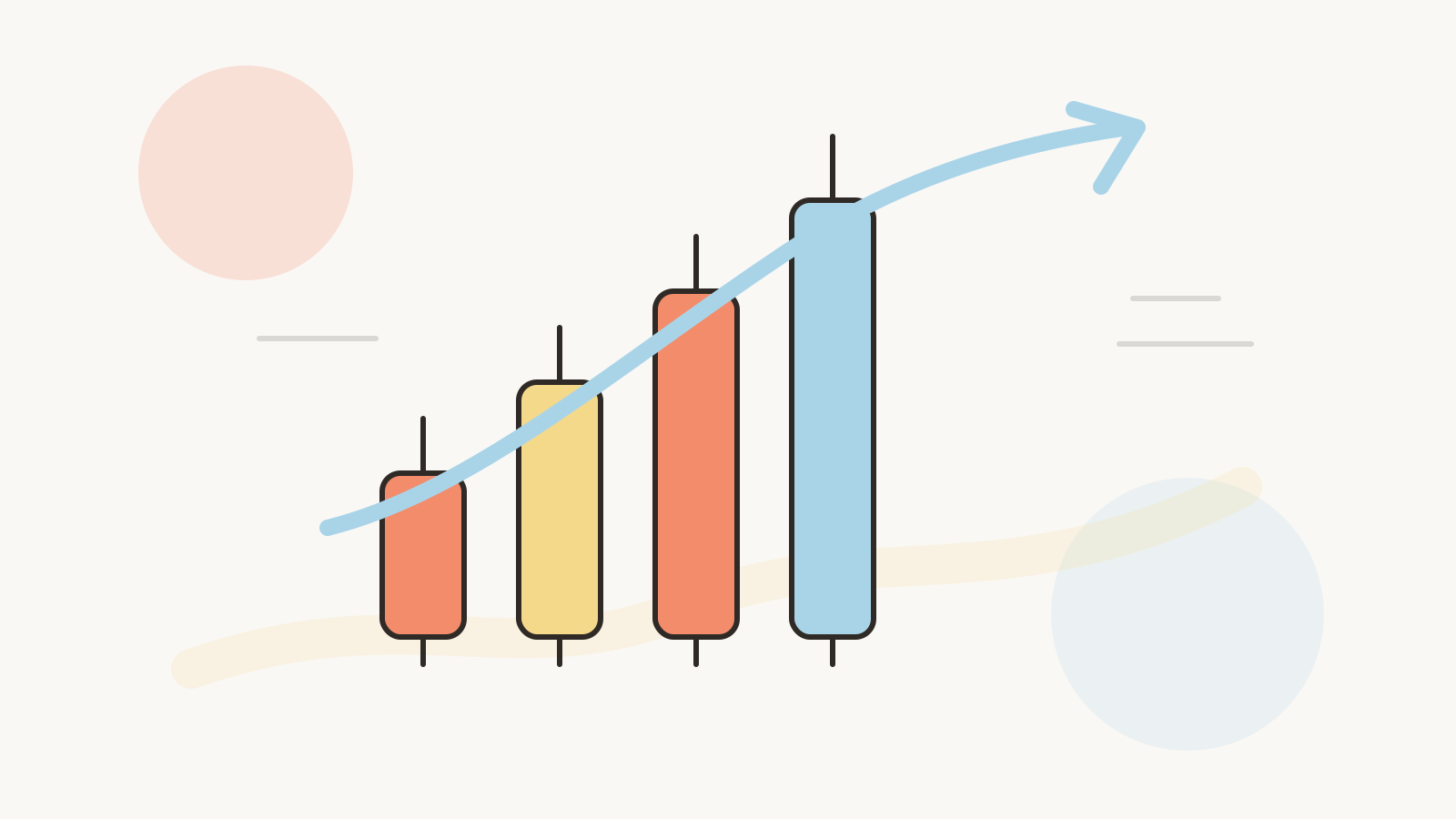
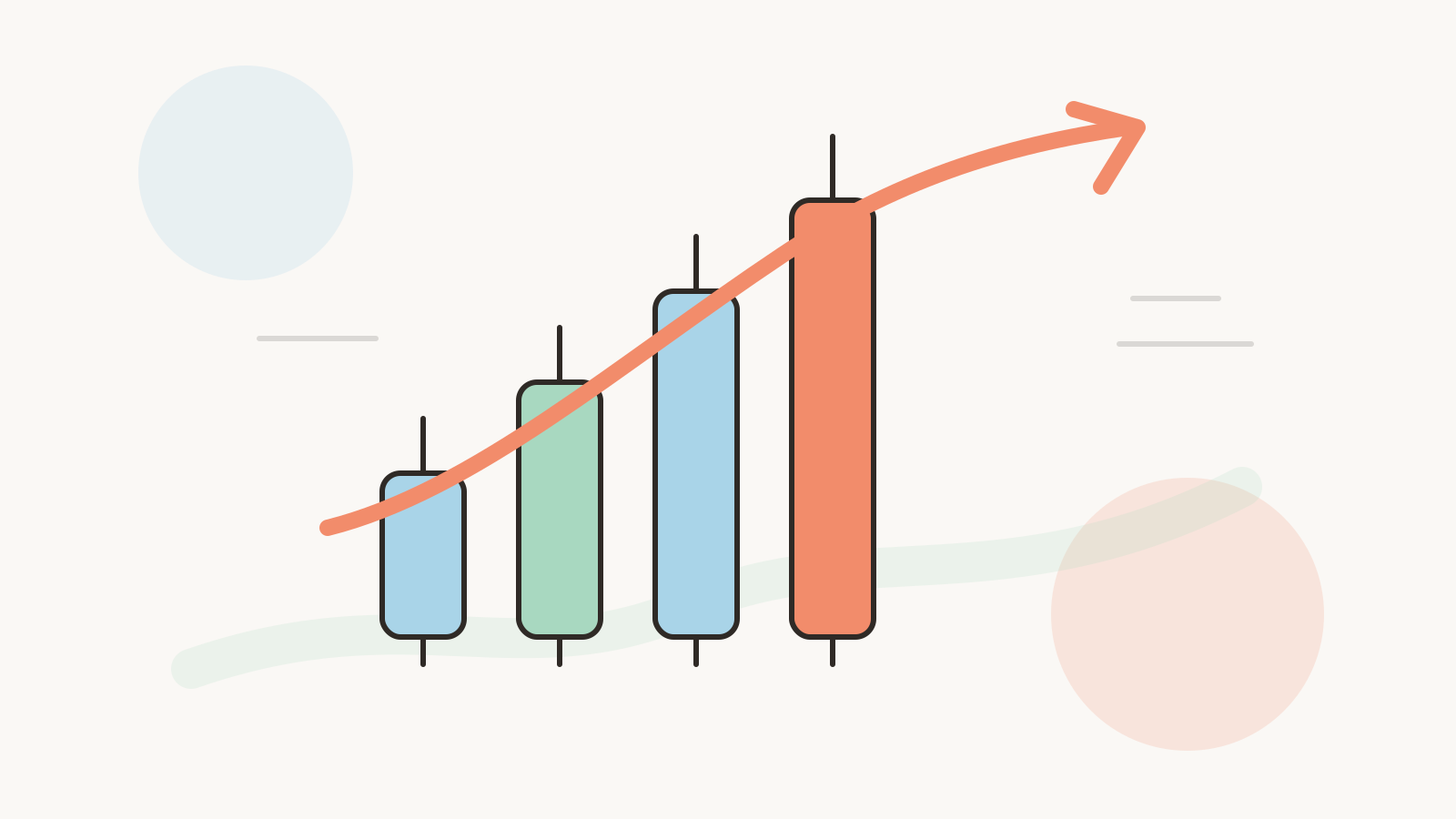
A bull attacks by thrusting its horns UPWARD. Similarly, a Bull Market is when stock prices are rising. Typically, a rise of 20% or more from a recent low marks the start of a bull phase.
- Investor Mood: High confidence, FOMO (Fear of Missing Out), and greed.
- Economic State: GDP is growing, unemployment is low, and companies are reporting record profits.
- The Trap: New investors enter at the peak because everyone around them is making money. This is often the riskiest time to invest a lumpsum.
The Bear Market: Swiping Downward
A bear attacks by swiping its paws DOWNWARD. A Bear Market is defined as a drop of 20% or more from a recent high.
- Investor Mood: Panic, pessimism, and despair. People start saying "The stock market is a scam."
- Economic State: Recession fears, high inflation, or global crises (like COVID-19 in 2020).
- The Opportunity: This is when real wealth is made. Prices are low, companies are "cheap," and long-term investors accumulate as many shares as possible.
The Emotional Cycle of an Investor
- Optimism: "I think stocks are good."
- Euphoria (Peak Bull): "I'm a genius! I'll put my life savings in today!"
- Fear (Bear Start): "Wait, why is it red? It will bounce back soon."
- Panic (Bear Bottom): "Everything is going to zero! Sell everything!"
The Secret Strategy: Do the opposite. Buy when people are panicking; be careful when people are euphoric.
Check Your SIP Health
A SIP (Systematic Investment Plan) is designed for both markets. In a Bull Market, your ₹10,000 buys fewer units. In a Bear Market, that same ₹10,000 buys MANY more units. This averages your cost and is a widely recognized strategy for managing volatility over 10 years.
The Market Survival Checklist
Bottom Line
Bull markets make you feel smart, but Bear markets make you Wealthy. Don't fear the Paw; welcome the Sale. Stay disciplined with your SIPs, and let time turn the market's volatility into your biggest advantage.
What to read next:
→ What is SIP? — Systematic investing explained
→ Stock Market Basics — BSE vs NSE
→ The Power of Compounding — Time is money