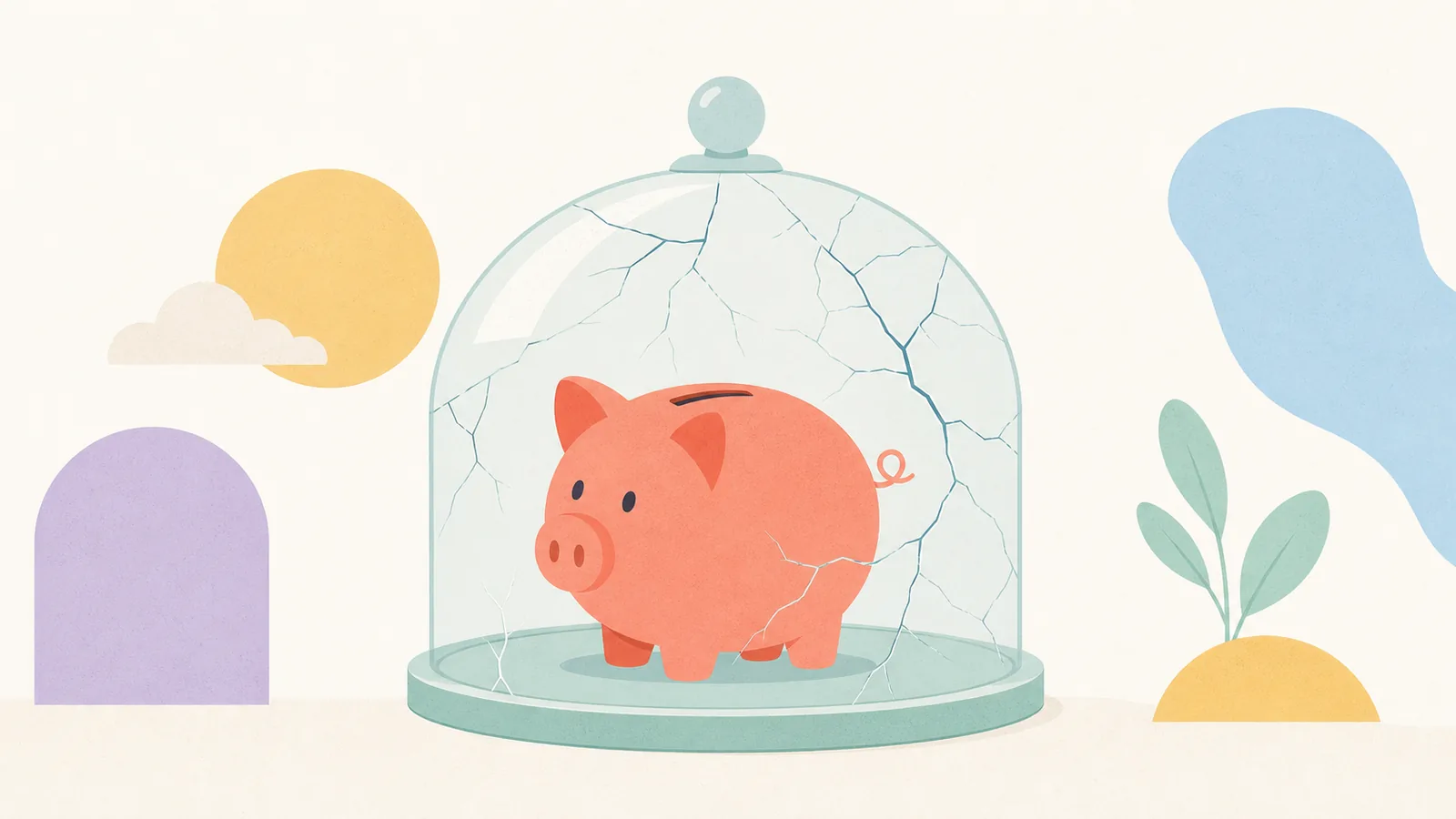
The current market headlines might scream about IPO listings and MSCI rebalancing, but the most insidious threat to an Indian retail investor’s long-term wealth isn’t found in stock charts or yield curves. It resides within our own psychology: the relentless, silent creep of lifestyle inflation. This isn’t just about spending more as you earn more; it’s a sophisticated behavioral trap that renders financial progress illusory, ultimately eroding savings and delaying true financial independence.
The Hedonic Treadmill: Why More is Never Enough
At its core, lifestyle inflation is a manifestation of hedonic adaptation – the psychological phenomenon where humans quickly return to a stable level of happiness despite major positive or negative events. That new car, the larger apartment, the foreign vacation – each initially provides a rush of satisfaction. Yet, within months, these new luxuries become the new normal, and the desire for the next upgrade resurfaces. Daniel Kahneman’s work on happiness and income, while noting a general increase in well-being with income up to a certain point (often cited around $75,000 USD for basic satisfaction in some studies), emphasizes that beyond this, proportional increases in happiness diminish significantly. In the Indian context, where discretionary spending often follows rising disposable incomes, this treadmill spins faster, translating income growth into an endless pursuit of “more” rather than tangible wealth accumulation.
Consider a software engineer in Bengaluru whose salary jumps from ₹12 LPA to ₹20 LPA. Instead of a proportional increase in savings or investment, the upgrade cycle begins: a better apartment on higher rent, a premium car EMI, more frequent dining out, international travel. The “need” for these things isn’t rational; it’s adaptive. The brain has reset its baseline of what constitutes a ‘normal’ or ‘desirable’ life.
The Indian Context: Social Pressures and Visible Consumption
While hedonic adaptation is universal, its intensity and manifestation are profoundly shaped by cultural and societal factors. In India, the pressure to “keep up with the Sharmas” is a potent driver of lifestyle inflation.
- Social Signalling: Expensive weddings, opulent homes, brand-name consumer goods – these are not just purchases, but potent social signals. The desire for peer validation and status often overrides rational financial planning. Data shows that Indian households allocate a significant portion of their income to discretionary items and often rely on consumer credit for these purchases.
- Generational Expectations: As younger generations achieve higher earning potential than their parents, there’s an implicit pressure to demonstrate this success through visible consumption, often felt acutely by first-generation wealth creators. This can manifest in upgrading parental living standards, elaborate celebrations, or financing extended family needs, all of which, while noble, can be financially unsustainable without conscious limits.
- EMI Culture: The ease of access to consumer loans and credit cards has democratized aspirational lifestyles. The “buy now, pay later” ethos blunts the immediate pain of large purchases, making it easier to succumb to hedonic creep. A ₹50,000 smartphone on EMI feels less impactful than an upfront lump sum, even if the total cost is higher due to interest. This is a subtle yet significant facilitator of lifestyle inflation.
The Silent Erosion of Financial Independence
The immediate danger of lifestyle inflation isn’t bankruptcy; it’s the insidious postponement of true financial freedom.
- Decimated Savings Rates: As expenses rise in lockstep with income, the savings rate stagnates or even declines as a percentage of disposable income. This directly impacts the ability to build an emergency fund, invest for long-term goals, or achieve substantial net worth growth.
- Opportunity Cost: Every rupee spent on an inflated lifestyle is a rupee not invested. Compounded over decades, the opportunity cost is staggering. A ₹5,000 monthly discretionary expense, invested in an instrument yielding 12% annually, could grow to over ₹1.5 crore in 30 years. That’s the real cost of unchecked lifestyle creep.
- Increased Debt Vulnerability: Chasing an ever-escalating lifestyle often leads to reliance on debt – credit card dues, personal loans, car loans. This creates a fragile financial ecosystem where any income disruption can quickly lead to distress, turning a seemingly prosperous life into a debt trap.
Breaking the Cycle: A Contrarian Approach to Affluence
Countering lifestyle inflation requires more than generic budgeting advice; it demands a fundamental shift in mindset.
- Automate Lifestyle Deflation: When a raise comes, immediately automate a significant portion (e.g., 50-70%) of the net increase directly into investments or high-interest savings before it hits your spending account. This is proactive lifestyle deflation, making the new baseline budget before hedonic adaptation kicks in.
- Define “Enough”: Consciously articulate what financial freedom means to you, beyond material possessions. Is it time? Security? Impact? When you have a clear, internally defined “enough,” external pressures lose their potency. This often involves differentiating between perceived needs and actual needs.
- Value-Based Spending: Instead of blanket frugality, identify what truly brings you joy and aligns with your values. Spend generously there. Cut ruthlessly elsewhere. For example, if travel is a core value, prioritize it. If designer clothes are not, opt for functional apparel. This is not about deprivation, but intentional allocation.
- Practice Delayed Gratification (Strategically): Implement waiting periods for significant discretionary purchases. Often, the desire fades, or a more cost-effective alternative emerges. For example, delaying a car upgrade by two years could free up significant capital for investment.
The MoneyExplain Takeaway
The most sophisticated financial strategies fail if the foundational behavioral biases are left unaddressed. Lifestyle inflation, amplified by India’s burgeoning consumerism and social dynamics, is a silent wealth killer. It’s not about how much you earn, but how much you consciously choose to keep and grow. By understanding the psychological forces at play – hedonic adaptation and social signalling – and adopting a contrarian, deliberate approach to consumption, Indian retail investors can break free from the treadmill and truly build lasting financial independence, irrespective of daily market gyrations. The real wealth isn’t the next upgrade; it’s the freedom gained from not needing it.
Full Net Real Return
Compounded Fee & Inflation Friction
Editorial Policy: MoneyExplain is an independent personal finance and macroeconomic publication. We do not offer investment advice, stock tips, or sell sponsored articles. Mutual Fund and equity investments are subject to market risks.