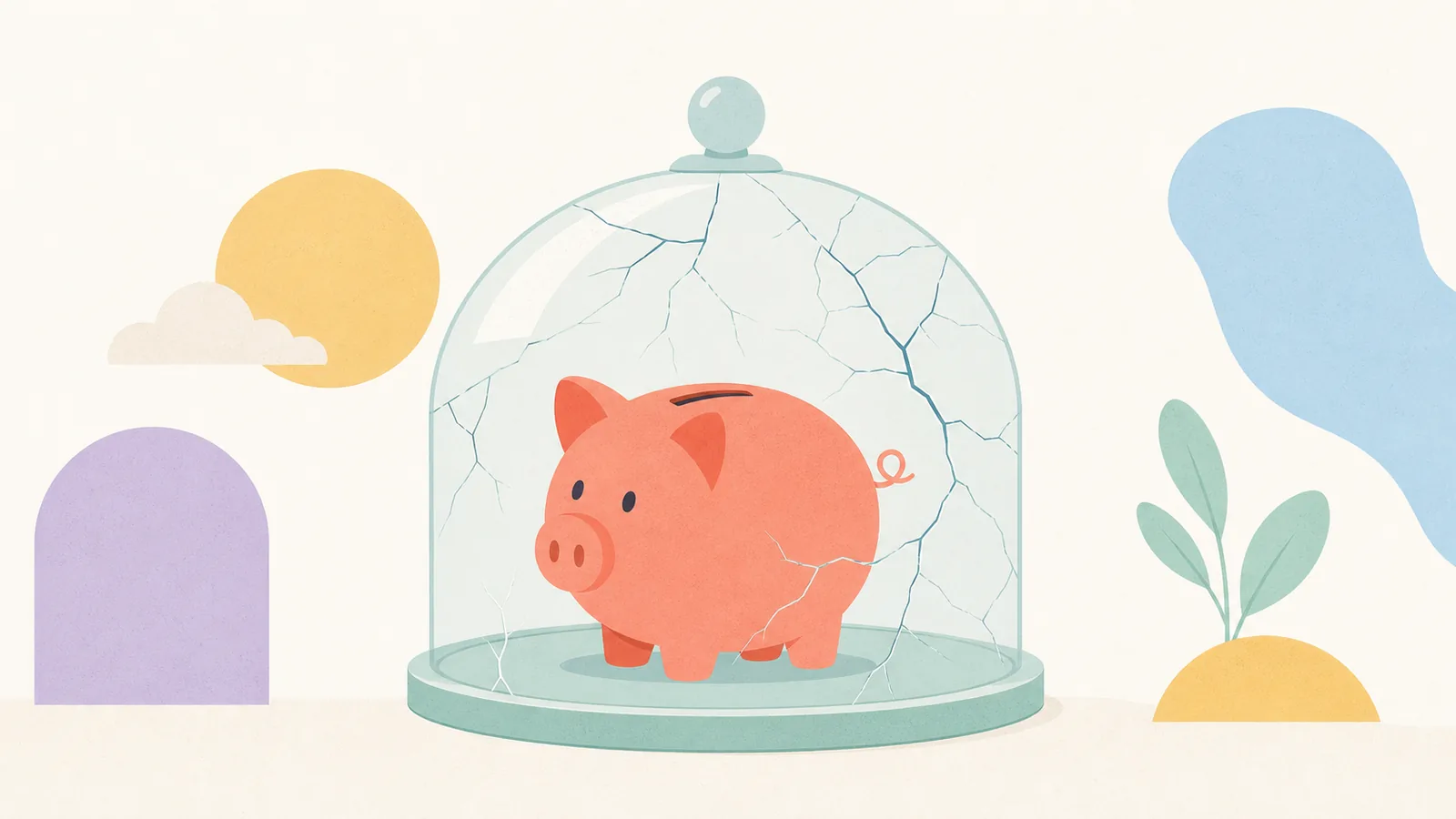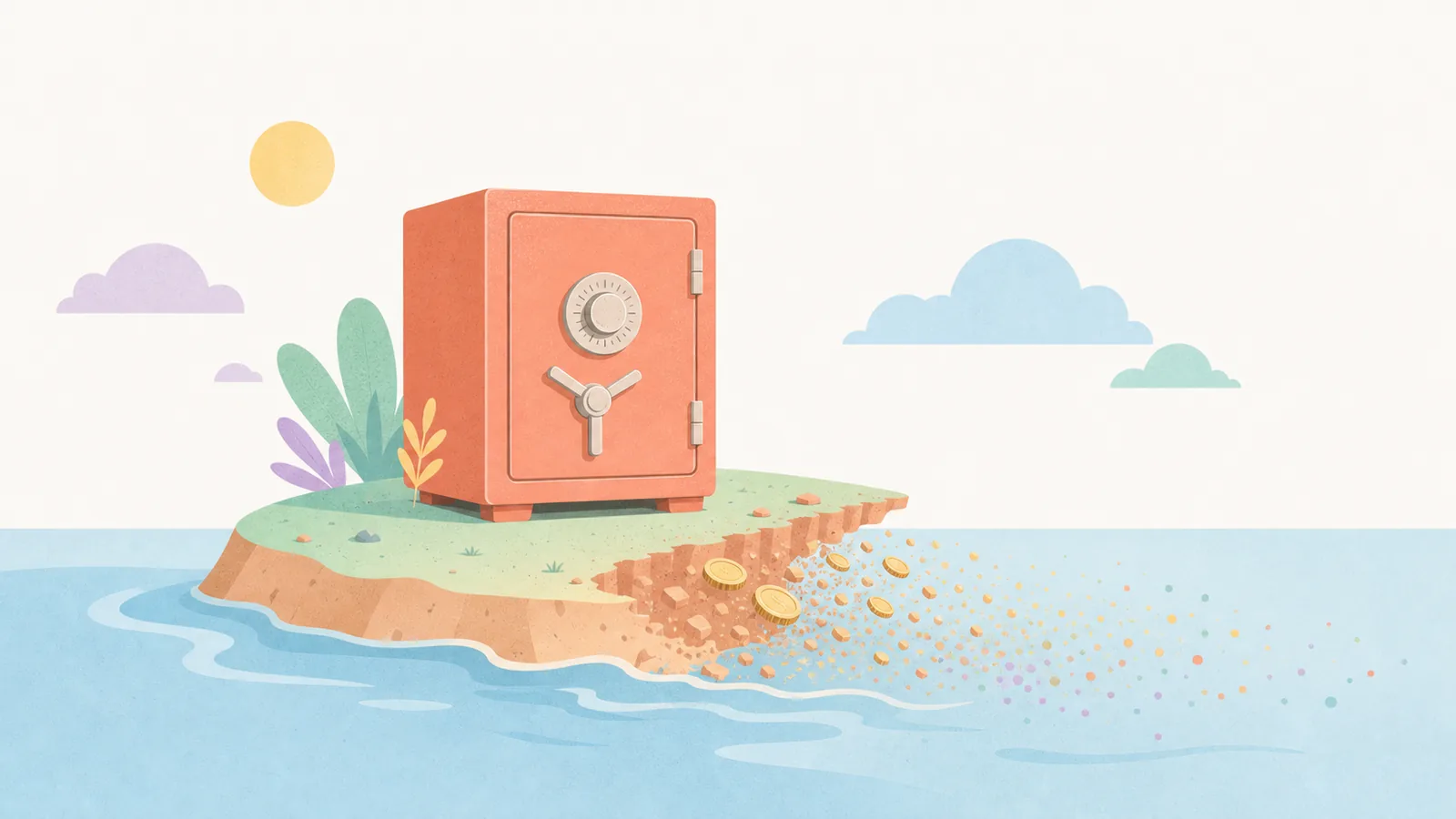
The quintessential Indian aspiration, owning a home, is often venerated as the ultimate investment. Generations have been indoctrinated with the axiom that “property always appreciates” and “rent is dead money.” This deeply entrenched cultural narrative, however, is a financial fallacy for a vast majority of Indian retail investors. Your primary residence, far from being a prudent investment, often operates as a colossal liability, a liquidity black hole that silently erodes genuine wealth creation.
The Mirage of Appreciation: Nominal vs. Real Returns
The perceived capital appreciation of a home is frequently overstated, a victim of nominal thinking. While property values might show upward trajectories on paper, a rigorous inflation-adjusted analysis reveals a bleaker picture. Consider the average rental yield in most Indian metros, which frequently hovers around a meager 2-3%. This figure barely covers the ongoing costs, let alone provides a significant return on capital.
Beyond inflation, the real estate market lacks the transparency and liquidity of public markets. Unlike equity, where daily price discovery provides an objective benchmark, property valuations are opaque, subject to localized micro-markets and subjective assessments. This opacity fosters a psychological anchoring bias, where owners cling to anecdotal highs, ignoring the true, often stagnant, market realities. When maintenance, property taxes, society charges, and insurance premiums are factored in—costs that are unavoidable and escalate over time—the “investment” begins to show a negative real return.
The Insidious Opportunity Cost: Capital Trapped
The most significant, yet frequently ignored, cost of homeownership is opportunity cost. A substantial down payment, typically 20% or more of the property value, and decades of monthly EMIs lock up immense capital. Imagine a ₹50 lakh down payment and a ₹50,000 monthly EMI for a ₹1 crore home. This capital, diverted from liquid, growth-oriented avenues, represents a profound sacrifice.
Had this capital been strategically deployed in a diversified portfolio of income-generating debt instruments, balanced mutual funds, or even carefully selected equity, the compounding effect over a 15-20 year period could dwarf the modest real appreciation of a primary residence. For instance, consistent SIPs of ₹50,000 over two decades, assuming a conservative 10-12% average annual return, could build a corpus significantly larger than the delta in your home’s value after accounting for all expenses. The choice isn’t merely between owning and renting; it’s between owning and optimizing your capital for exponential growth.
The Liquidity Black Hole and Transactional Friction
Real estate is inherently illiquid. Converting a property into cash is a protracted, arduous, and costly affair. It involves finding a buyer, extensive legal due diligence, negotiation, and significant transaction costs. Brokerage fees alone can consume 1-2% from both buyer and seller, stamp duty and registration charges can easily add another 5-7% of the property value, and legal fees further chip away at the net realization. These frictional costs represent an immediate, irreversible diminution of wealth.
This illiquidity poses a severe constraint on financial flexibility. In times of emergency or unforeseen opportunity, capital locked in a home cannot be readily accessed without resorting to expensive personal loans or precarious loans against property. A true investment should offer reasonable liquidity, allowing for strategic reallocation or emergency deployment. A primary residence fails this fundamental investment litmus test.
The Behavioral Anchor: “My Home, My Asset”
The cultural and psychological weight attached to homeownership in India is formidable. It’s perceived as a symbol of status, security, and a hedge against inflation. This behavioral anchoring often blinds individuals to rational financial analysis. The “rent is dead money” mantra ignores the investment potential of the difference between EMI and rent, along with the freedom from maintenance burdens and property taxes.
Psychologically, owning a home provides an illusion of control and security, even as it creates financial inflexibility. This emotional attachment distorts objective valuation, leading individuals to overestimate their property’s worth and underestimate its true carrying costs. Breaking free from this cognitive bias is the first step towards sound financial decision-making.
Taxation: A Nuanced Advantage, Not a Panacea
While India’s tax framework offers certain benefits for home loans – principal repayment under Section 80C and interest payments under Section 24(b) – these are often insufficient to offset the myriad financial disadvantages. The Section 80C deduction is capped, and the interest deduction for self-occupied property is limited, making its impact marginal in the grand scheme of overall property costs.
Furthermore, selling a property after years of ownership will trigger capital gains tax, which, while offering some exemptions if reinvested in another property, adds another layer of complexity and potential outflow. The tax benefits, when viewed holistically against the entire lifecycle cost of homeownership and the foregone investment returns, are often a mere salve, not a genuine financial catalyst.
The MoneyExplain Takeaway
It’s imperative for the astute Indian retail investor to fundamentally differentiate between a primary residence as a consumption good and an investment. Your home serves a crucial need: shelter. It provides comfort, stability, and emotional value. But financially, it rarely functions as a high-performing asset.
True wealth creation stems from deploying capital into productive, liquid assets that generate substantial real returns over time. While the decision to buy a home is deeply personal, driven by emotional and social factors, it is critical to divorce it from pure investment rationale. Understand its true cost, acknowledge its illiquidity, and recognize the opportunity cost of the capital it consumes. Build your wealth with diversified, high-growth instruments first, and then decide on homeownership as a lifestyle choice, not a primary investment strategy.
"The psychological anchoring to property as a 'safe' investment distorts rational financial decision-making."
A primary residence often carries a negative real return after accounting for inflation, maintenance, and illiquidity.
Editorial Policy: MoneyExplain is an independent personal finance and macroeconomic publication. We do not offer investment advice, stock tips, or sell sponsored articles. Mutual Fund and equity investments are subject to market risks.