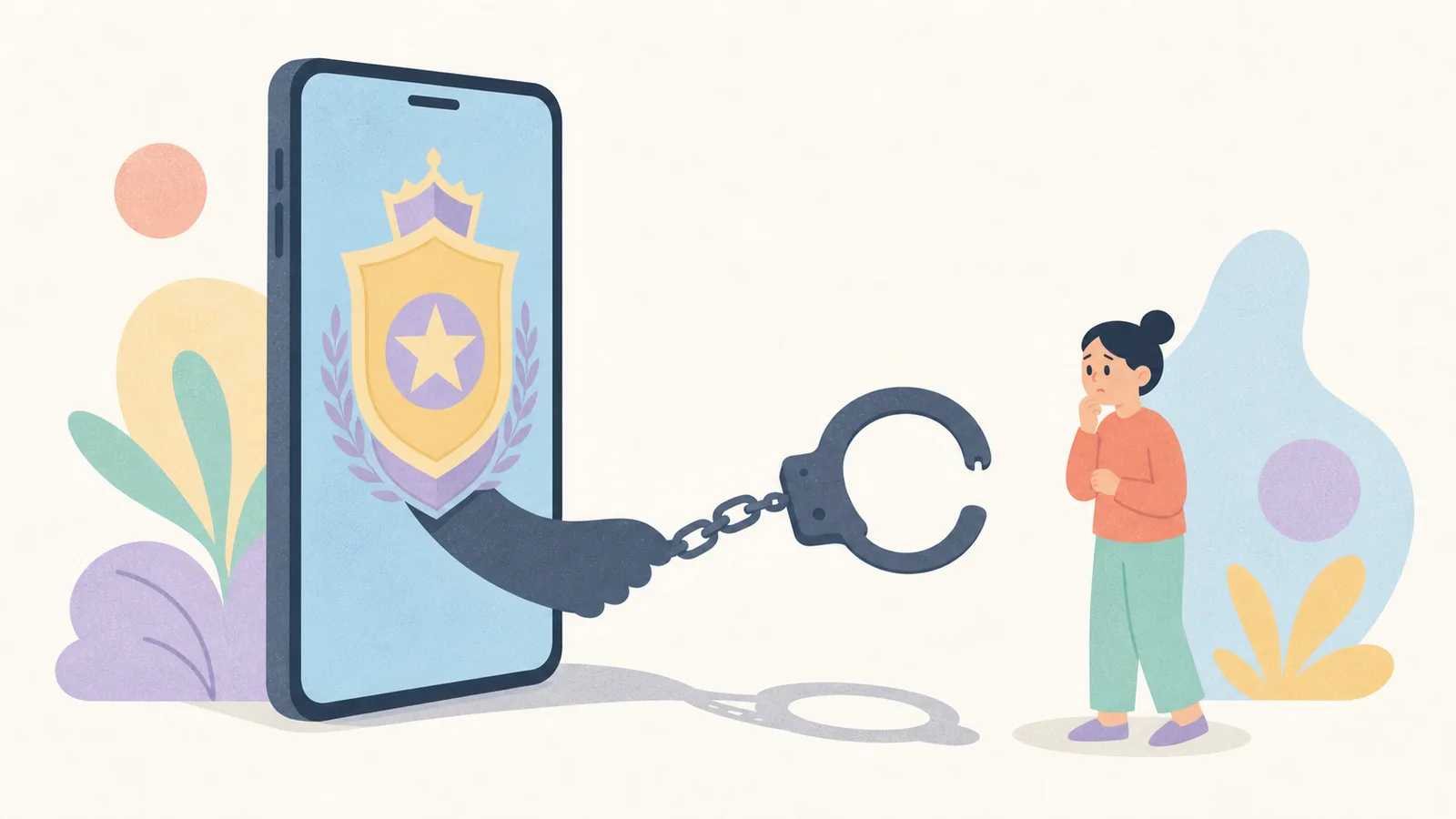
The landscape of financial malfeasance is evolving, and it’s no longer confined to the crude lures of Ponzi schemes or the obvious traps of unsolicited OTP requests. Today, a far more insidious threat preys on India’s financially literate and even the well-informed: the ‘Digital Arrest’ scam. This isn’t a mere phishing attempt; it’s a sophisticated psychological operation, a masterclass in elite coercion designed to bypass rational thought and exploit deeply ingrained cognitive biases. To dismiss its victims as merely gullible is to fundamentally misunderstand its deceptive power.
The Engineered Panic: Anatomy of the Digital Arrest Scam
This particular scam thrives on a potent cocktail of fear, authority, and manufactured urgency. It’s a multi-stage attack that systematically dismantles a victim’s critical thinking.
-
The Authority Anchor: The first point of contact typically arrives as a seemingly legitimate call or message, impersonating a government agency – most commonly the Central Bureau of Investigation (CBI), Enforcement Directorate (ED), or local police. The scammer might claim to be from the RBI, warning of illicit transactions linked to your Aadhaar or bank accounts. The sheer gravitas of these institutions immediately triggers a primal response of compliance and unease.
-
The Credibility Vortex: What follows is an elaborate charade. You’re typically coerced into a video call, where imposters in uniforms display fake IDs, forged documents, and even staged “control rooms” to lend an air of authenticity. They accuse you of severe crimes – money laundering, drug trafficking, terror financing – painting a chilling picture of imminent legal repercussions. This is the ‘commitment and consistency’ bias at play: once you engage, even reluctantly, it becomes harder to disengage as the narrative intensifies.
-
The Urgency Trap & Isolation: The demand is always immediate. “Your arrest warrant has been issued,” “You must cooperate now to clear your name,” “Do not speak to anyone else.” This isolation tactic is crucial. By cutting off external validation or advice, the scammers ensure the victim is solely exposed to their narrative, intensifying the panic. Under such duress, the prefrontal cortex – responsible for rational decision-making – is significantly impaired, ceding control to the limbic system, which governs emotions.
-
The Financial Extraction: The ultimate goal. The scammers demand you transfer your funds to a “safe verification account” or a “government escrow” to “prove your innocence” or “safeguard your assets” from freezing. They often insist on using UPI, guiding victims through transactions up to the standard ₹1 Lakh/day limit, or larger bank transfers for more substantial amounts. This entire process is engineered to exploit the victim’s panicked desire for resolution, regardless of how illogical the solution might appear in retrospect.
Beyond Naivete: The Psychology of Compliance
It’s tempting to label victims as financially unsophisticated. However, this assessment is flawed. The digital arrest scam leverages deeply embedded psychological principles:
- Authority Bias (Milgram Effect): Our innate tendency to comply with instructions from an authority figure, even when those instructions conflict with our personal values. When a voice claiming to be from the CBI presents fabricated evidence, the average individual’s default is often to believe and obey.
- Fear of Loss & Punishment: The threat of legal action, public humiliation, and financial ruin is a potent motivator. This fear overrides rational assessment, pushing individuals towards actions they believe will avert the immediate danger.
- Cognitive Load & Overwhelm: Scammers bombard victims with technical jargon, legal threats, and rapid-fire instructions. This creates cognitive overload, making it difficult to process information critically and identify inconsistencies.
- Emotional Hijack: The carefully orchestrated sequence of events triggers acute stress and fear, putting victims in a state where emotional reasoning supplants logical analysis. The demand for an immediate ‘solution’ further reinforces this emotional state.
The Ground Truth: Unmasking the Illegitimacy (2025/2026 Context)
This is where institutional knowledge becomes your impenetrable shield. The Current Indian Regulatory & Financial Framework (2025/2026) provides clear, unambiguous truths that fundamentally debunk this scam:
- Government Agencies NEVER Demand Digital Financial Settlements: This is the cardinal rule. Government agencies, including CBI, ED, or Police, will NEVER conduct video-call arrests or demand financial settlements, transfers to ‘safe accounts,’ or UPI payments to ‘verify’ your innocence. Their procedures are governed by law, involving official summons, written communication, and formal legal processes. There is no such concept as a “safe verification account” for law enforcement.
- UPI Limits and Digital Payments: While UPI offers immense convenience with limits up to ₹1 Lakh/day (and ₹5 Lakh for specific institutional payments), its existence does not legitimise illicit demands. Any request for money transfers under duress, regardless of the payment method, is fraudulent.
- Banking Safety: Legitimate bank deposits are protected by DICGC insurance up to ₹5,00,000 per depositor per bank. This is for your legitimate money in the bank, not funds you are coerced to transfer out to fraudsters. This distinction is critical; the scam’s objective is to move your funds into their unregulated channels, bypassing all protections.
The MoneyExplain Takeaway
The digital arrest scam is a sobering reminder that financial security isn’t merely about understanding market cycles or tax regimes. It’s fundamentally about robust skepticism and an unwavering grasp of regulatory boundaries. Your most formidable defense against such sophisticated psychological attacks is internalizing this single, irrefutable truth: No legitimate Indian government agency will ever demand immediate financial transfers or conduct an “arrest” via a video call.
Cultivate a healthy distrust of unsolicited calls, especially those invoking fear or urgency. Always verify any official-sounding communication through independent, officially published channels – not numbers provided by the caller. In the complex world of modern finance, the ability to discern legitimate authority from calculated deception is the ultimate premium skill.
The Trigger Hook
Digital arrest scams are sophisticated psychological operations, not just simple phishing attempts.
The Structural Drag
Government agencies in India *never* conduct arrests or demand money via video calls or digital transfers.
The Real Outcome
Immediately disconnect any suspicious calls or video calls claiming to be law enforcement or government officials.
Editorial Policy: MoneyExplain is an independent personal finance and macroeconomic publication. We do not offer investment advice, stock tips, or sell sponsored articles. Mutual Fund and equity investments are subject to market risks.