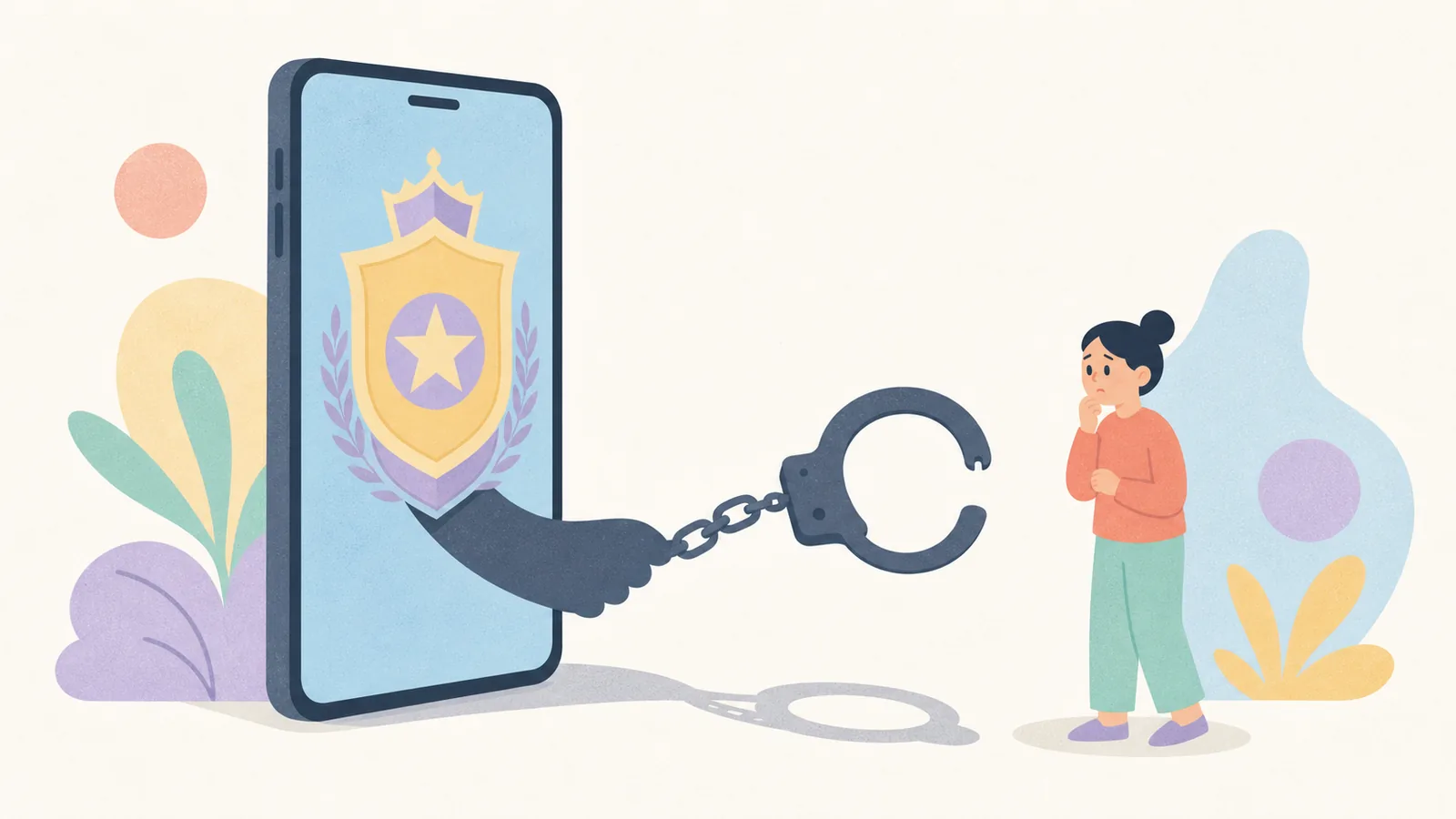
The landscape of financial fraud in India is evolving at an alarming pace, moving far beyond the simplistic lures of Ponzi schemes or basic phishing emails. While the market buzzes with IPOs and equity rallies, a more insidious threat silently preys on a demographic often considered immune: the affluent, the educated, and the otherwise financially astute Indian retail investor. We’re talking about the “Digital Arrest” scam – a masterclass in psychological manipulation that leverages fear, authority, and isolation to extract fortunes. This isn’t about greed; it’s about sheer terror.
The Sophistication of Deception: Beyond Greed, Towards Fear
Traditional scams often exploit a victim’s desire for outsized returns. The digital arrest scam, however, operates on an entirely different plane. It weaponizes the primal fear of legal entanglement, public humiliation, and reputational damage. Victims are not enticed by phantom profits; they are coerced into making irrational financial decisions to avoid an imagined, yet terrifyingly real, threat. This psychological warfare targets the very pillars of a stable, secure life, making it profoundly more destructive than a mere investment fraud.
The modus operandi is meticulously choreographed:
- The Initial Breach: A Call from Authority: It begins with an unsolicited call, typically from someone impersonating a customs official, an RBI officer, or a courier service. The caller informs the victim that a package sent in their name contains illegal items (drugs, fake passports, illicit currency). This immediately triggers alarm.
- Escalation to “Law Enforcement”: Upon denial, the call is “transferred” to an individual claiming to be from the CBI, Enforcement Directorate (ED), Narcotics Bureau, or local police. This impersonator reinforces the fabricated charges, alleging money laundering, drug trafficking, or other grave offenses linked to the victim’s Aadhaar or bank accounts.
- The Virtual Interrogation Chamber: The most insidious phase involves moving the conversation to a video call platform like Skype or WhatsApp. Here, the scammers use fake ID cards, fabricated police station backdrops, and even co-conspirators posing as other officers. The victim is subjected to intense, prolonged interrogation, often spanning hours, effectively creating a virtual detention. During this, the victim is explicitly warned against sharing details with family or friends, reinforcing their isolation.
- The “Safe Account” Trap: Under immense psychological duress and convinced of imminent arrest, the victim is instructed to transfer all their funds to a “safe account” or an “RBI verification account” to prove their innocence. This is portrayed as a temporary measure to “clear their name” while an “investigation” is underway. The funds, once transferred, vanish into a web of mule accounts.
The Neurochemistry of Compliance: Why Rationality Fails
Understanding why educated individuals fall for this requires a deep dive into behavioral finance and psychology, not just conventional cybersecurity.
- Authority Bias: Humans are hardwired to obey perceived authority. When an individual identifies themselves as a CBI or RBI official, our inherent deference to institutions takes over. The fabricated urgency and severe consequences amplify this effect.
- Fear-Induced Cognitive Tunneling: Under extreme fear, the prefrontal cortex – responsible for rational decision-making – can be significantly impaired. The victim’s focus narrows to the immediate threat (avoiding arrest) at the expense of logical assessment of the situation. This creates a cognitive tunnel, making them susceptible to the scammer’s “solutions.”
- Confirmation Bias (in reverse): Once fear is induced, victims may subconsciously seek evidence that confirms the scammer’s narrative, overlooking glaring red flags. The constant barrage of legal jargon and threats reinforces this.
- Isolation and Social Proof: By explicitly forbidding contact with family or friends, scammers prevent critical external validation or intervention. The scammers’ confident, authoritative demeanor acts as a form of distorted social proof, making their claims seem more legitimate in the absence of opposing viewpoints.
Consider the stark reality: no legitimate law enforcement agency or financial regulator in India (or anywhere globally) will conduct an investigation or demand money transfers over an unsolicited phone or video call. They will never ask you to transfer funds to a “safe account” for verification. This fundamental truth, however, is obscured by the fog of fear and expertly crafted psychological pressure.
Mitigating the Modern Menace: A Call for Radical Skepticism
The antidote to this sophisticated fraud isn’t more complex technology; it’s a recalibration of human behavior towards radical skepticism.
- Independent Verification is Paramount: If you receive such a call, always disconnect and independently verify the claims. Look up official contact numbers for the alleged agency (RBI, CBI, local police) and call them directly. Never use numbers provided by the caller.
- No Authority Demands Funds Over Call: Internalize this absolute rule: no legitimate authority will demand money, ask for your OTP, or instruct you to transfer funds to a “safe account” via phone or video call. Any such demand is an immediate red flag.
- Resist Urgency and Coercion: Scammers thrive on urgency. Take a pause. Inform the caller you need time to consult your lawyer or family. A legitimate officer will allow this; a scammer will escalate pressure.
- Protect Your Digital Identity: Never share personal identifiable information (PII), Aadhaar details, PAN, or bank account information over unsolicited calls or suspicious links.
- Report Immediately: If you suspect a digital arrest attempt, report it to the National Cybercrime Helpline 1930 and file a complaint at www.cybercrime.gov.in. Timely reporting can sometimes help in freezing mule accounts.
The MoneyExplain Takeaway
The digital arrest scam is a grim reminder that financial security extends beyond market analysis and investment prowess. It demands an acute awareness of the psychological vulnerabilities that even the most astute investors possess. In India’s rapidly digitizing economy, where trust is easily exploited and authority is revered, the highest form of financial literacy now includes an unwavering capacity for critical thought and an unshakeable resolve against psychological coercion. The illusion of safety is shattered when fear dictates finance. Stay vigilant, stay skeptical.
The Trigger Hook
Digital arrest scams exploit psychological biases like authority and fear, not just greed.
The Structural Drag
These sophisticated frauds bypass traditional cybersecurity by targeting human psychology.
The Real Outcome
Verify official communication independently, never through caller instructions.
Editorial Policy: MoneyExplain is an independent personal finance and macroeconomic publication. We do not offer investment advice, stock tips, or sell sponsored articles. Mutual Fund and equity investments are subject to market risks.