One US dollar currently buys ₹83.94. For most Indians, the dollar feels distant — something that matters only when travelling abroad or buying an iPhone. In reality, the exchange rate is one of the quietest and most powerful forces in your financial life.
How the Rate Is Set
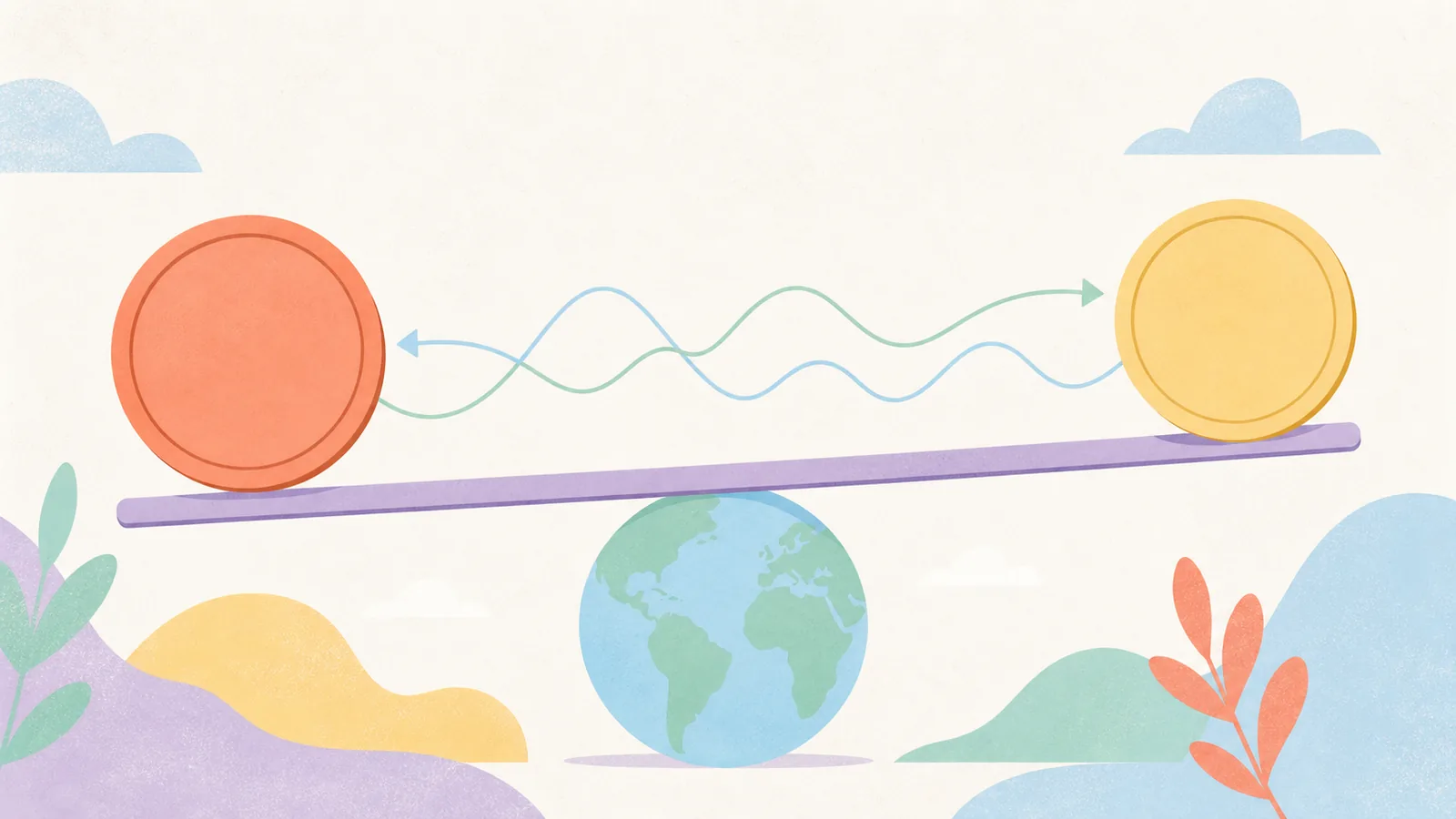
The rupee’s value is determined by supply and demand in the currency market. Four forces dominate:
- Trade flows. India buys more from the world (oil, electronics, machinery) than it sells, creating constant demand for dollars. This structural trade deficit puts downward pressure on the rupee.
- Capital flows. When foreign investors buy Indian stocks, bonds, or set up factories, they bring dollars in, supporting the rupee. When they sell, the rupee weakens.
- Interest-rate differentials. Higher returns in India versus the US attract foreign money. When the US keeps rates high, dollars flow back there — pressuring the rupee.
- RBI intervention. The RBI doesn’t fix the exchange rate, but it smooths excessive volatility, selling or buying dollars to prevent disorderly moves.
Who Wins and Loses When the Rupee Weakens
At ₹83.94, the rupee is in a familiar zone of gradual depreciation. The impact spreads unevenly:
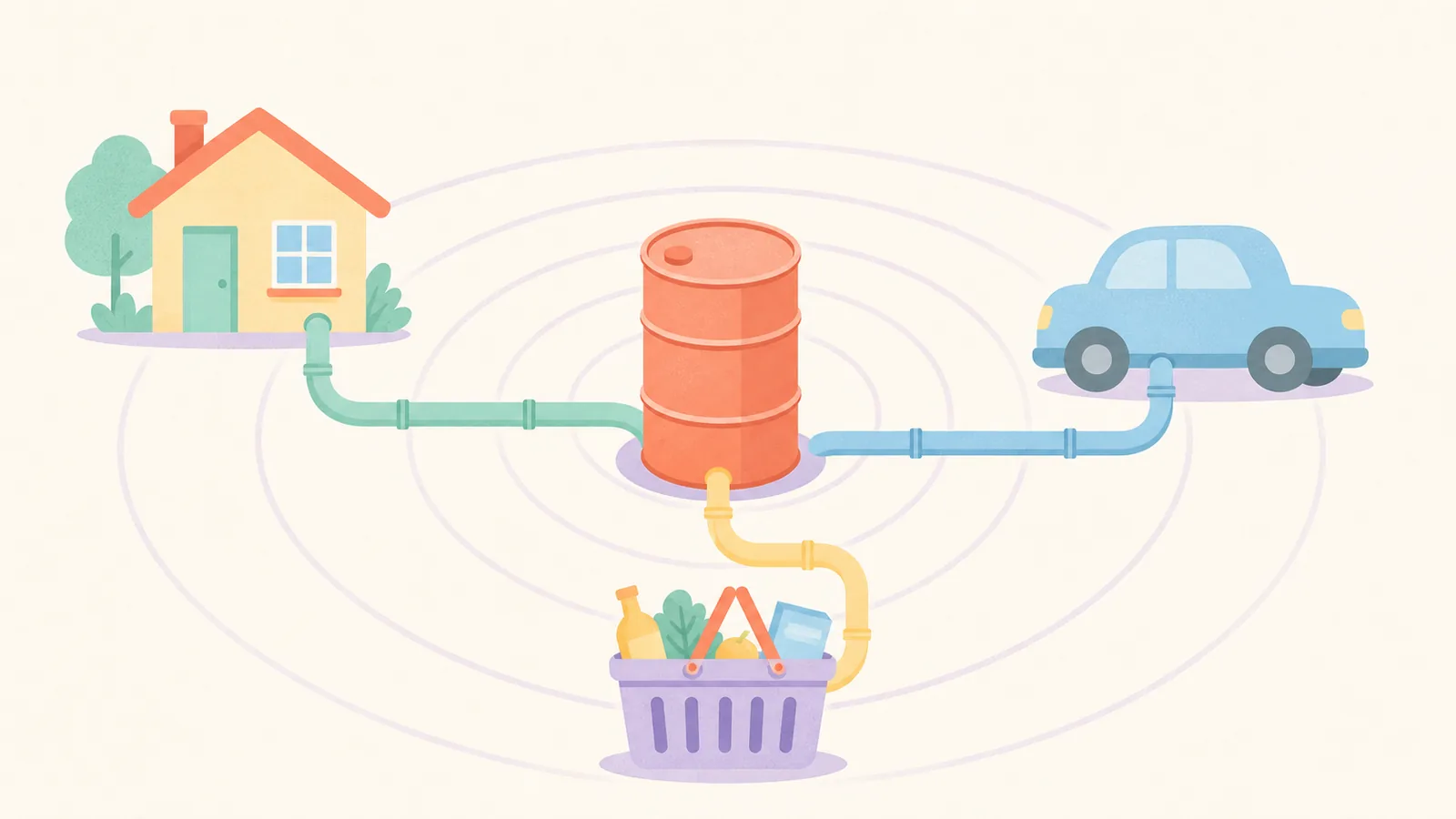
- Importers lose. Crude oil, electronics, and machinery become costlier in rupee terms — a cost that eventually reaches your petrol pump and gadget bills.
- Travelers and students abroad lose. Every dollar for a foreign trip or tuition now costs more rupees.
- Exporters win. Indian software services and goods become cheaper for foreign buyers, boosting export competitiveness.
- Investors feel it secondhand. A weakening currency raises import-driven inflation and can scare foreign investors, occasionally pressuring equity markets.
Why the Rupee’s Slow Decline Is “Normal”
Unlike a sudden crash, a gradual weakening of the rupee — a few paise a year — is considered the natural path for a fast-growing emerging economy with a structural trade deficit. It’s not necessarily a sign of economic failure; it’s a reflection of India importing more than it exports and growing faster than most of its trading partners. The danger is not gradual drift; it’s sharp, disorderly depreciation that spooks investors and fuels inflation.
What You Should Actually Do
Because the exchange rate is beyond your control, the smart play is planning, not predicting:
- Time large dollar expenses. If you’re planning foreign education or travel, don’t gamble on the rupee recovering. Lock costs early where possible.
- Keep an emergency fund. Sudden rupee weakness often coincides with broader market stress; liquidity protects you from forced decisions.
- Watch the RBI, not the daily chart. Policy signals, rate decisions, and intervention patterns tell you more about the rupee’s path than any single day’s move.
The MoneyExplain Takeaway
At ₹83.94, the dollar is not a headline you need to chase — it’s a variable you need to plan around. Understand what drives the rate, accept that gradual depreciation is India’s structural reality, and build your finances so that a weaker rupee never forces you into a corner.
"A weaker rupee raises import costs and inflation — especially for oil, electronics, and foreign travel."
The rupee's value is driven by trade flows, capital flows, interest-rate differentials, and RBI intervention.
Editorial Policy: MoneyExplain is an independent personal finance and macroeconomic publication. We do not offer investment advice, stock tips, or sell sponsored articles. Mutual Fund and equity investments are subject to market risks.